
Patellofemoral pain physio Frankston
Kneecap pain with stairs, squatting and running
Patellofemoral pain is commonly felt around or behind the kneecap and can affect stairs, squatting, sitting, gym, running and sport.
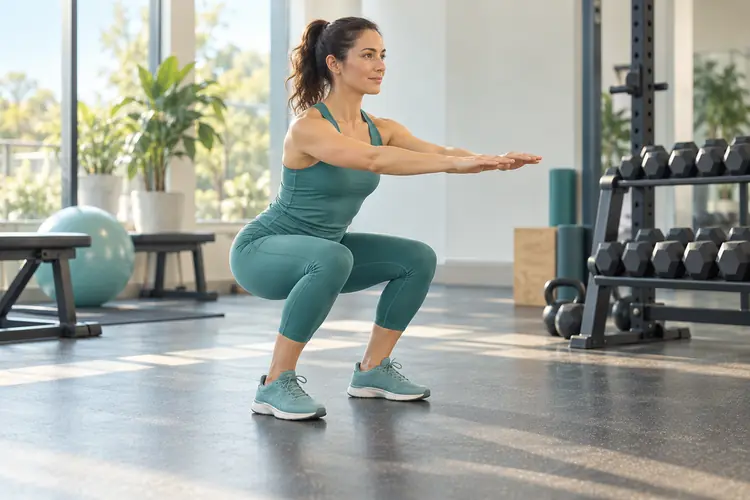
What your patellofemoral pain assessment may include
Pain at the front of the knee can arise from the patellofemoral joint, tendons or other knee structures, and symptoms may also be influenced by hip, ankle or training factors. Assessment helps distinguish the likely pattern instead of assuming that every kneecap symptom has the same cause.
Ash will discuss how the pain began, recent changes in training or activity, and how stairs, squatting, sitting, running or gym work affect it. Assessment may include knee, hip and ankle movement, hip and knee strength, squatting, step tasks, balance, running mechanics and tolerance to gradually increasing load.
Common questions about patellofemoral pain
What is patellofemoral pain?
It describes pain associated with the area where the kneecap meets the thigh bone. It is often felt at the front of the knee during activities that load the knee while it is bent.
Why can stairs, squatting or running hurt?
These activities increase the demand on the patellofemoral joint. Symptoms may be influenced by recent load changes, strength, movement patterns, recovery and the amount of activity the knee is currently prepared for.
Can I keep running?
That depends on symptom severity and how the knee responds during and after running. A plan may adjust distance, speed, hills or frequency before gradually rebuilding them.
What exercises are commonly used?
Progressive hip- and knee-targeted strengthening is commonly used, with the exercise choice and dose matched to the assessment and your goals.
Do I need a scan?
Often not for an initial assessment. Ash will explain if imaging or medical review may add useful information.
When does knee pain need prompt medical care?
Seek prompt assessment after major trauma, if the knee is locked or visibly deformed, if you cannot bear weight, or if there is severe swelling, redness, heat or fever.
What will Ash do for your knee?
Ash will build your plan around the assessment, what you can manage now and what you’d like to get back to. It may include education and load management, progressive hip and knee strengthening, graded squatting and step work, and a staged return to running, gym or sport. Running mechanics or training structure may be considered where relevant. Taping or hands-on physiotherapy may sometimes be used to support the active plan.
Everyone progresses differently. Ash will check how you’re going and adjust the plan with you.