Lower back pain physio Frankston
Lower-back pain and movement
Lower-back pain can involve aching, stiffness, sharp pain, symptoms into the buttock or leg, or reduced confidence with bending, lifting and exercise. Symptoms vary from person to person and can be influenced by work, training load, sustained positions, sleep and general health.
Lower-back pain and problems around the sacroiliac joints (SIJs), where the spine meets the pelvis, are the main clinical focus of Ash’s practice. With 12 years of physiotherapy experience, he takes time to understand how your symptoms affect everyday life, work or sport.
What will Ash assess?
A conversation about your back
Tell Ash what has been happening. He will ask what makes the pain worse, what eases it and how it behaves over a full day and night, including sleep. You can explain the problem in your own words; Ash will guide the questions from there.
How you move and how it feels
Ash will observe relevant movements and ask what you feel as you do them. Depending on your symptoms, he may also assess strength, mobility and tasks such as bending or lifting.
A hands-on assessment
With your consent, Ash may use his hands to assess movement, stiffness and sensitivity around the relevant joints and tissues. He considers this alongside your history and movement findings, then explains whether physiotherapy is appropriate or whether medical assessment should come first.
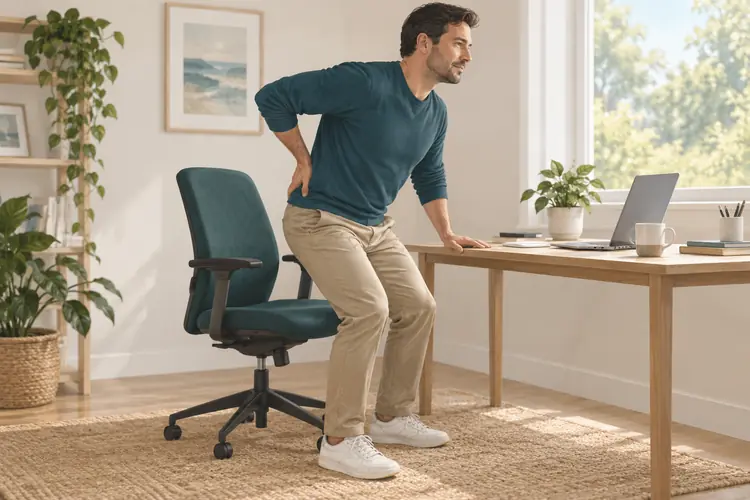
People commonly seek physiotherapy for lower-back stiffness, pain with sitting or standing, discomfort during lifting, symptoms associated with returning to exercise, or movement concerns related to running and cycling.
Go to an emergency department immediately for back or leg pain with new difficulty passing urine, loss of bladder or bowel control, numbness around the genitals or bottom, or severe or rapidly worsening leg weakness. Call 000 if you need an ambulance.
A tailored lower-back treatment plan
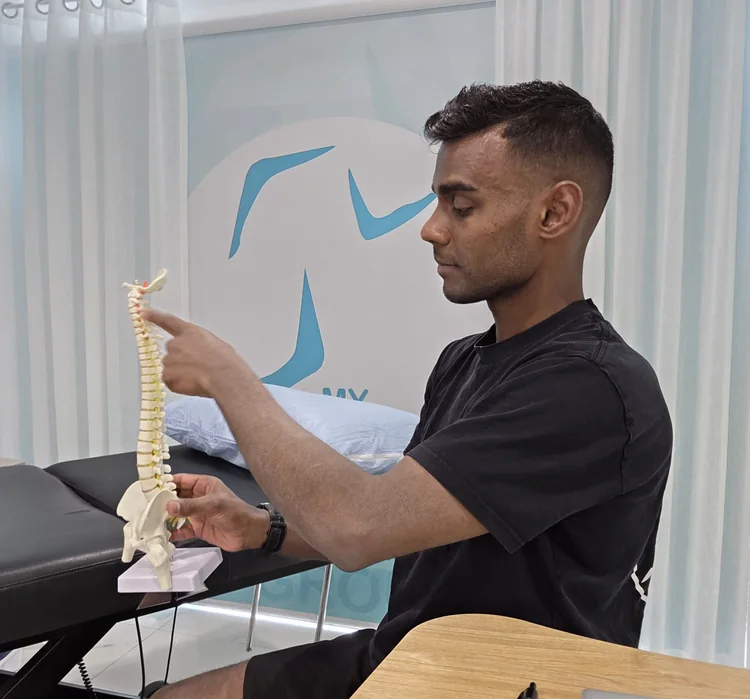
Treatment is based on your assessment and goals. Hands-on options may include manual therapy and muscle energy techniques, where you gently use your muscles against resistance guided by Ash. These are treatment options considered after assessment.
Your plan may also include dry needling when appropriate and with your consent, targeted exercise, graded strengthening, movement practice and practical changes for work, lifting or sport. Ash will check how you respond and adjust the plan with you.
You will leave knowing what to do next: this may include exercises and activity advice, a follow-up review, or discussion of imaging or referral when appropriate. Recovery looks different for everyone, and some problems need ongoing rehabilitation.
Frequently asked questions
Do I need a scan before seeing a physiotherapist?
Not everyone with lower-back pain needs imaging. Ash can assess you and discuss whether medical review or imaging may be appropriate.
Can I keep exercising?
Advice depends on your symptoms and assessment. Where appropriate, Ash will help you adjust activity and build back towards what you want to do.
Do I need a referral?
Private patients do not need a GP referral. My Therapist Group does not currently accept TAC, WorkCover or NDIS clients.
Related information: When should you see a physiotherapist for back pain?